Haldi and mehendi · Photography
Mehendi photography ideas
 By Anandu G Prakash, co-founder and lead photographer · Updated Friday 20 November 2026
The best mehendi photos cover three things: the design, the bride and the evening. Shoot both hands from above, then close-ups of the pattern in side light, the artist’s cone at work, the groom’s hidden name, the bride’s hands framing her face, and the songs and dances after dark. Then photograph the stain again a day or two later, when it’s darkest.
In Kerala, henna is “known as ‘mailanchi’” and has deep roots among Muslim families (Kerala Tourism), and Hindu and Christian brides have their own mehendi nights now too. We’ve photographed 200+ weddings since 2017, and every photo here shows a real Hallowed bride’s mehendi.
Mehendi shots at a glance
Here’s the full shot list, in roughly the order the night happens. Forward it to the cousin who’s promised to “just take a few on her phone”.
| The shot | When | How |
|---|---|---|
| The artist at work | Near the end of the application | The cone, her hands, her concentration |
| Both hands, from above | Once the design is finished | Wide, straight down |
| The pattern up close | Same time | Macro lens, light from the side |
| The hidden name | Before the groom goes looking | Find every letter |
| Friends’ hands together | During the evening | Palms in a circle |
| Songs and dances | After dark | Fast shutter, flash bounced off a wall |
| The stain, again | 24 to 48 hours later | With the wedding jewellery |
Creative mehendi photography: the design
Start wide, then go close. “The traditional mehndi photograph is more of a wide shot that showcases both hands and an aerial view of the designs” (SLR Lounge), and after that it’s a macro lens and patience, because the best part of a bridal design is usually the size of a five-rupee coin.
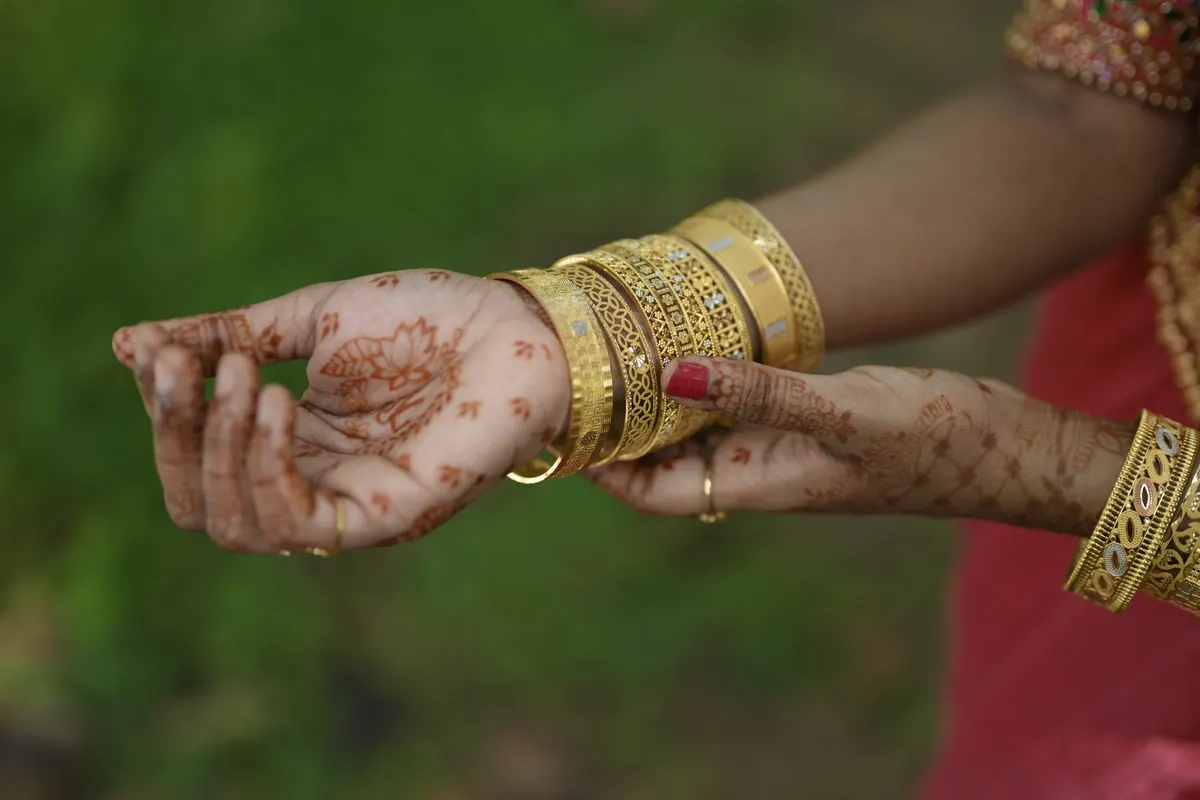
Light it from the side. Raised paste and fine lines only show their texture when “a light positioned at a low angle and off to one side” skims across them (Digital Photography School), which in practice means a window, not the ceiling bulb that makes every hand look like a bank form.
And look for the name. Artists often hide the groom’s name in the design, and “sometimes mehndi artists scatter the letters of the name so make sure you try and capture them all” (SLR Lounge). Photograph them before the groom starts searching, because he’ll hold her hands over the light for twenty minutes and still miss the R.
The mehendi artist at work
The application is a shot in itself. “Henna comes out of the cone in liquid form and stains the hands and this process makes for a unique capture,” and it’s a chance to give the artist “some due recognition” (SLR Lounge). Your artist has spent two hours bent over one hand, and deserves a portrait.
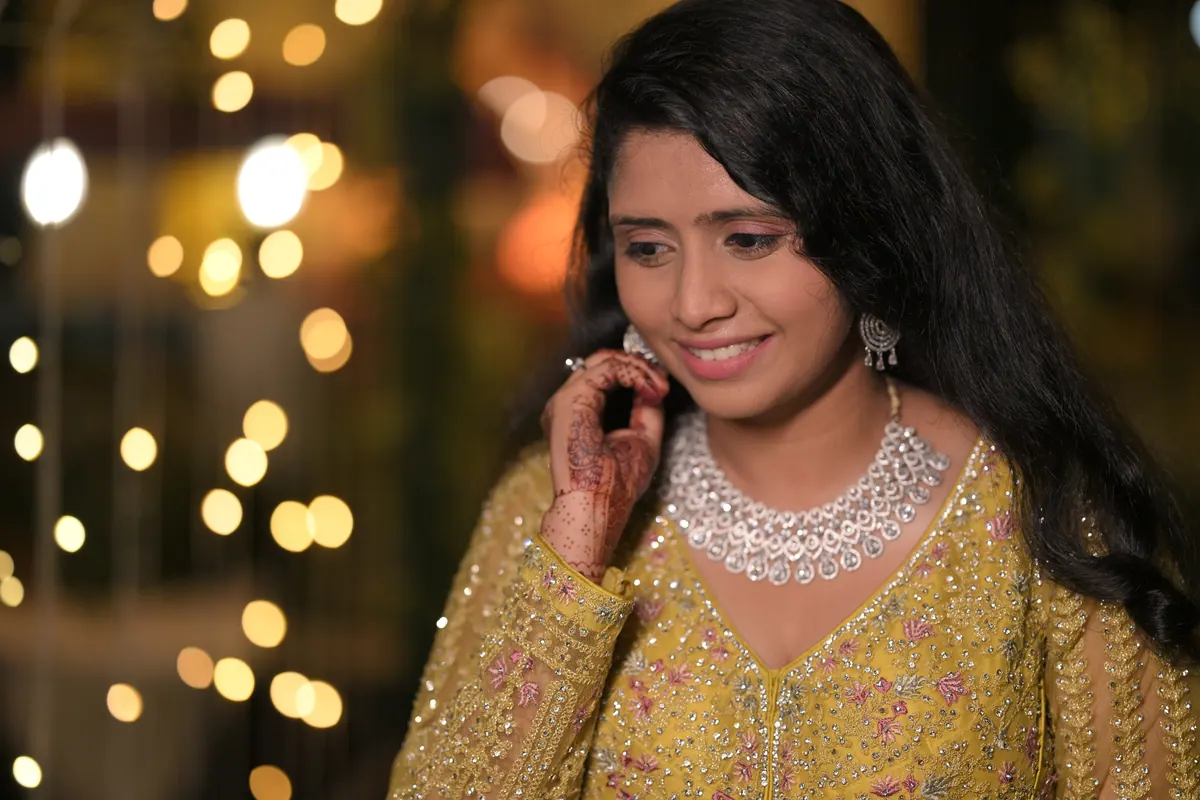
Don’t book the photographer for the whole thing, though. A bridal design “can take from three to six hours to complete” (The Post), and most of those hours look identical. As WedMeGood put it, “You want pictures towards the end” (WedMeGood), when the design is nearly done and the family has turned up to give opinions on it. Spare a frame for the bride too: one bride called it “watching people dance and enjoy on my mehendi as I was stuck in a seat for 6 hours” (WedMeGood).
Bride mehendi photography: the bride and her hands
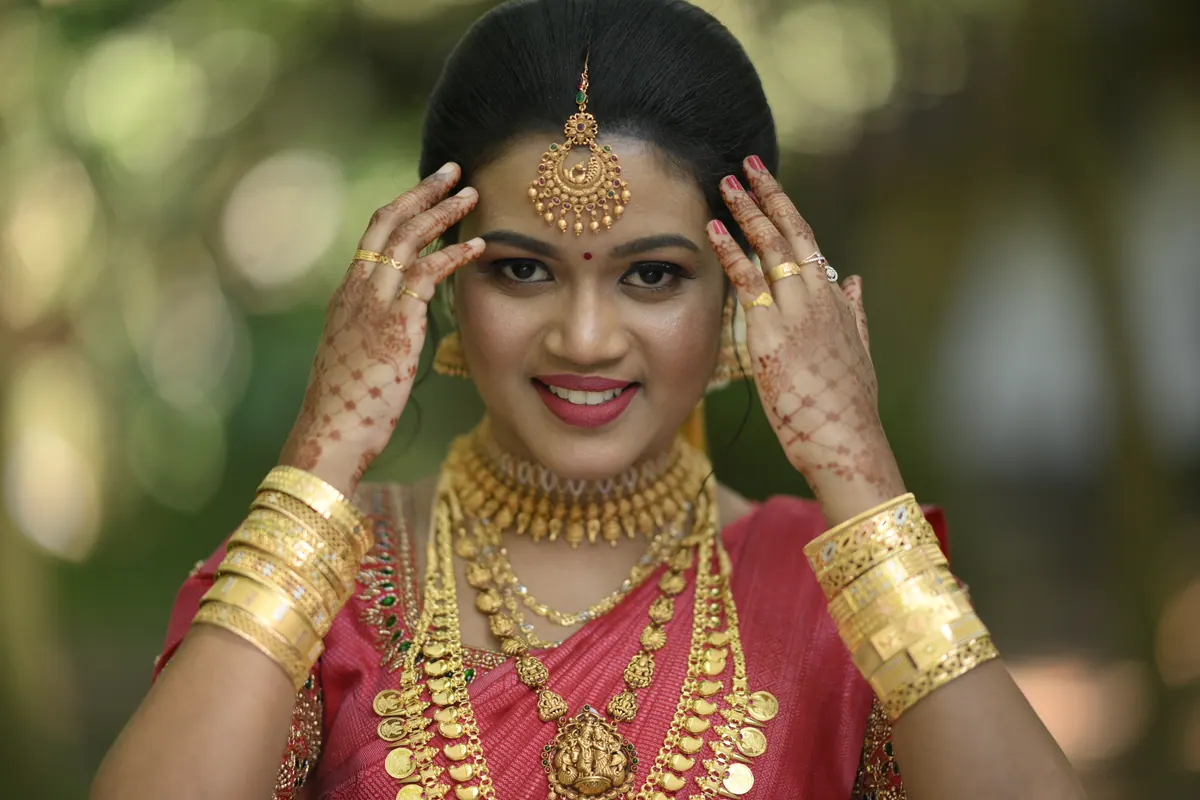
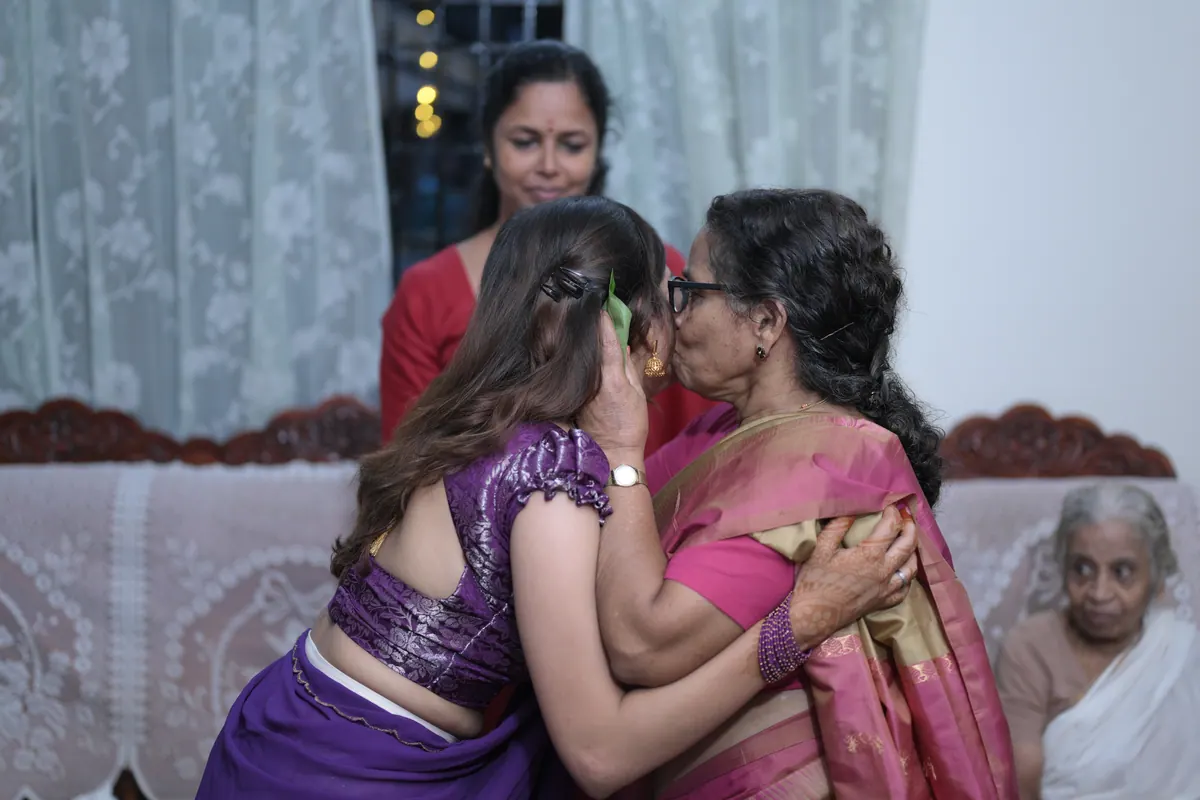
The design looks best when the hands are doing something. “Sometimes the best thing to do with hands is to give them something to hold or do” (Digital Photography School): an earring, the necklace, a betel leaf, the end of the dupatta.
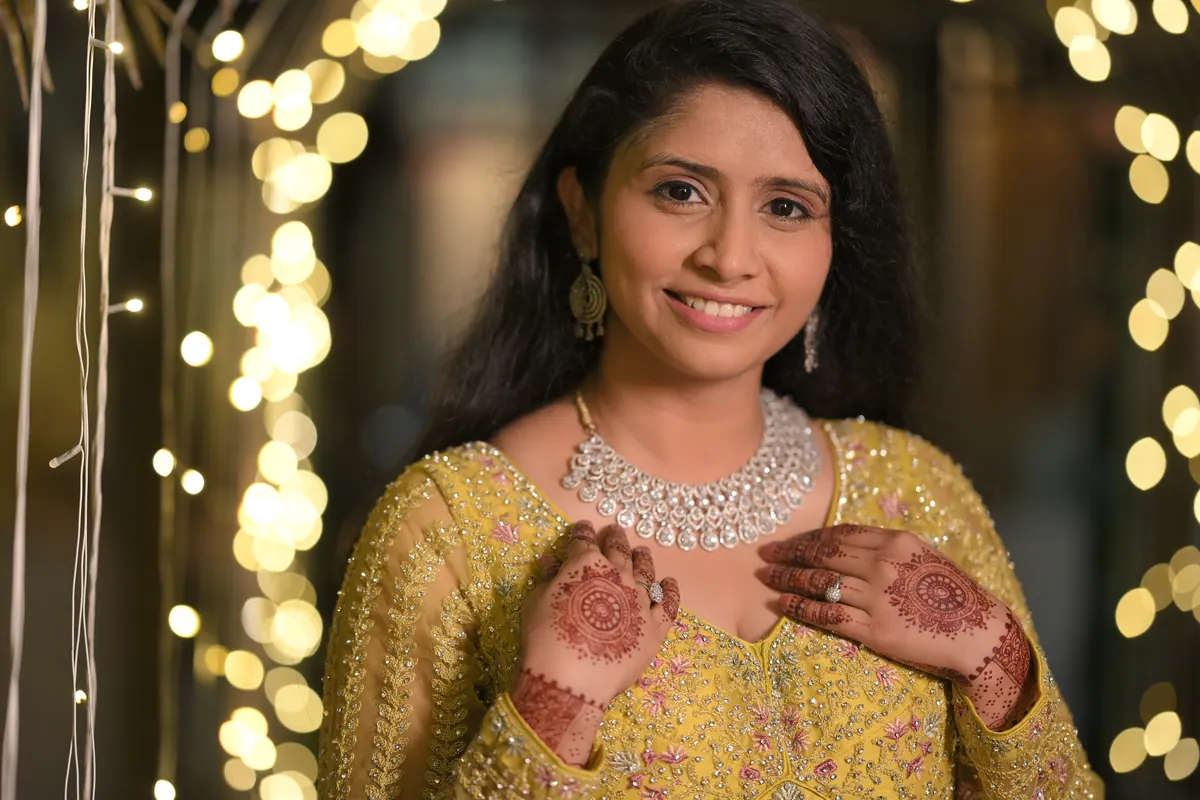
Turn the hands, too. “When the hand is facing directly towards the camera it will look bulky” (Shotkit), so the edge of the hand towards the lens almost always works better than a flat palm thrust at the camera like a traffic policeman. The flat palm has its place; it just isn’t every frame.
When the stain is darkest: time your photos
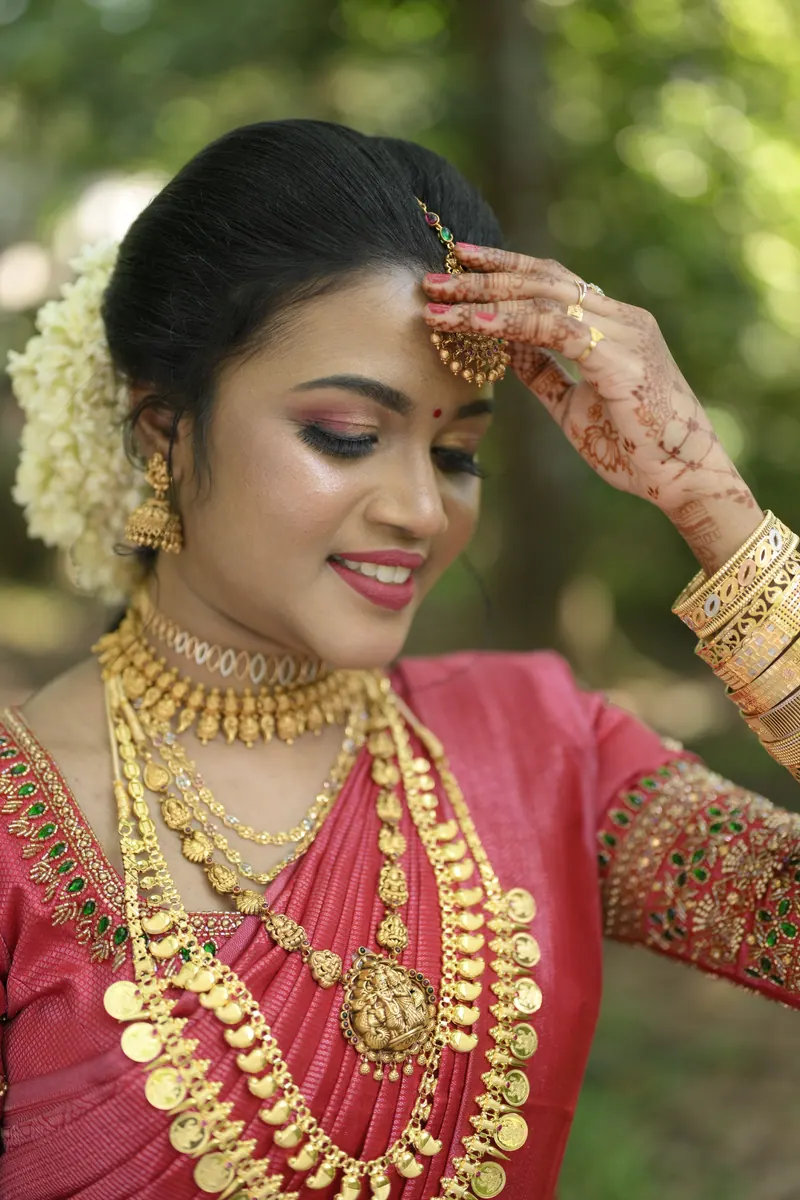
Here’s what the shot lists miss: henna is a slow reveal. “Your design will appear light in color at first (an orange tone)”, and it takes 24 to 48 hours to darken (Henna Sooq). So the mehendi night photographs the paste, and the wedding photographs the stain.
That’s why Nykaa’s advice is to apply it “48 hours before your function” (Nykaa), and why every mehendi photo in this post was taken at a later event: a haldi, a wedding eve or a wedding morning. There’s also the old belief that “the darker the color of the Bride’s Mehndi, the more her husband will love her” (SLR Lounge), which puts a lot of pressure on a leaf.
The mylanchi night and Kerala mehendi
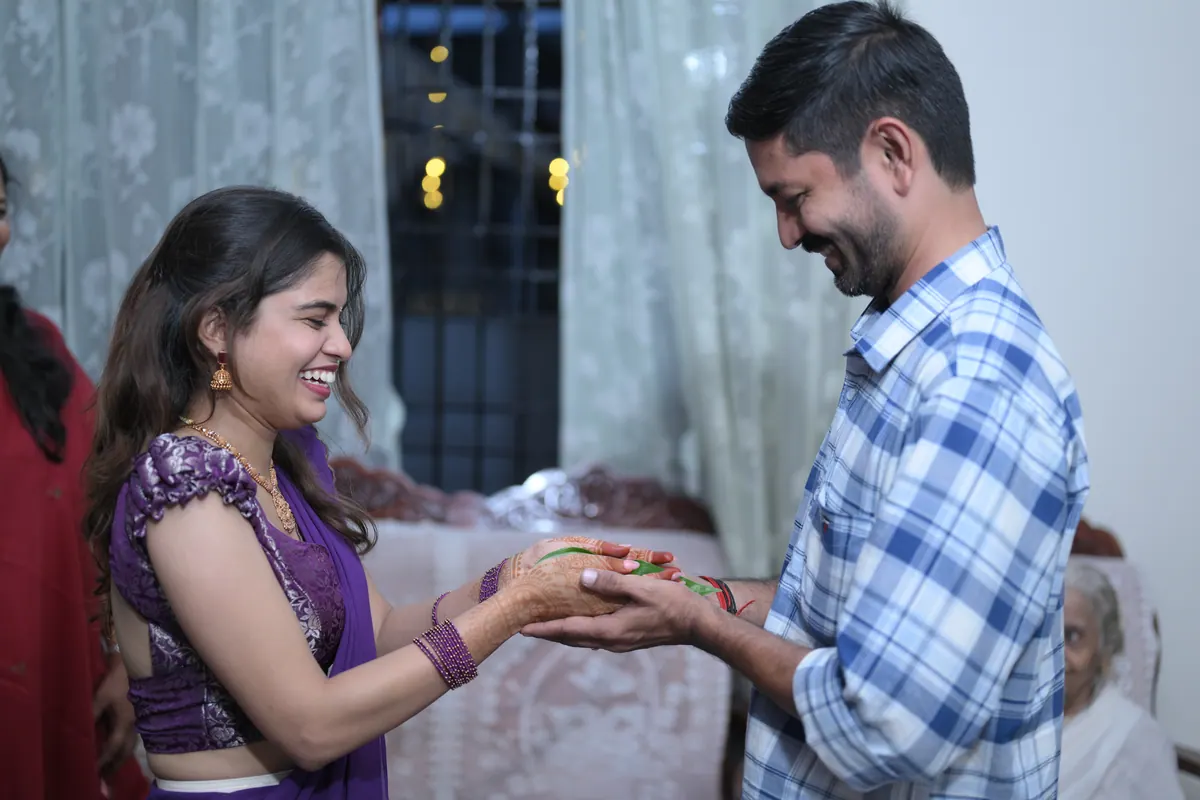
Kerala has its own henna night. At Malabar Muslim weddings, “elders applied henna to her hands and feet in a vibrant ceremony known as Mylanchi Kalyanam” (Kerala Tourism), and the wedding eve isn’t complete without oppana, where “the bride, dressed in colourful attire, veil and jewellery, sits at the centre while around fifteen maidens dance around her” (Kerala Tourism). For a photographer, that’s a ready-made composition with a built-in soundtrack.
Whatever the style, it’s a family week. One Malabari bride who married in Kochi described hers as “like a short summer holiday with cousins, uncles, aunts, and friends at home” (WedMeGood), which is also the best brief a photographer could get.
The old method was clever too. Before cones arrived, women used dried jackfruit sap, which “acts as a natural stencil” (Onmanorama). At Knanaya Christian weddings, “the bride’s paternal grandmother is the celebrant of the henna ceremony” (Knanayology), and Hindu brides have joined in: Tarini, before her Guruvayur wedding to actor Kalidas Jayaram, had “a beautiful traditional Mehndi design with an elephant in the centre” (Onmanorama). Kerala will put an elephant on anything.
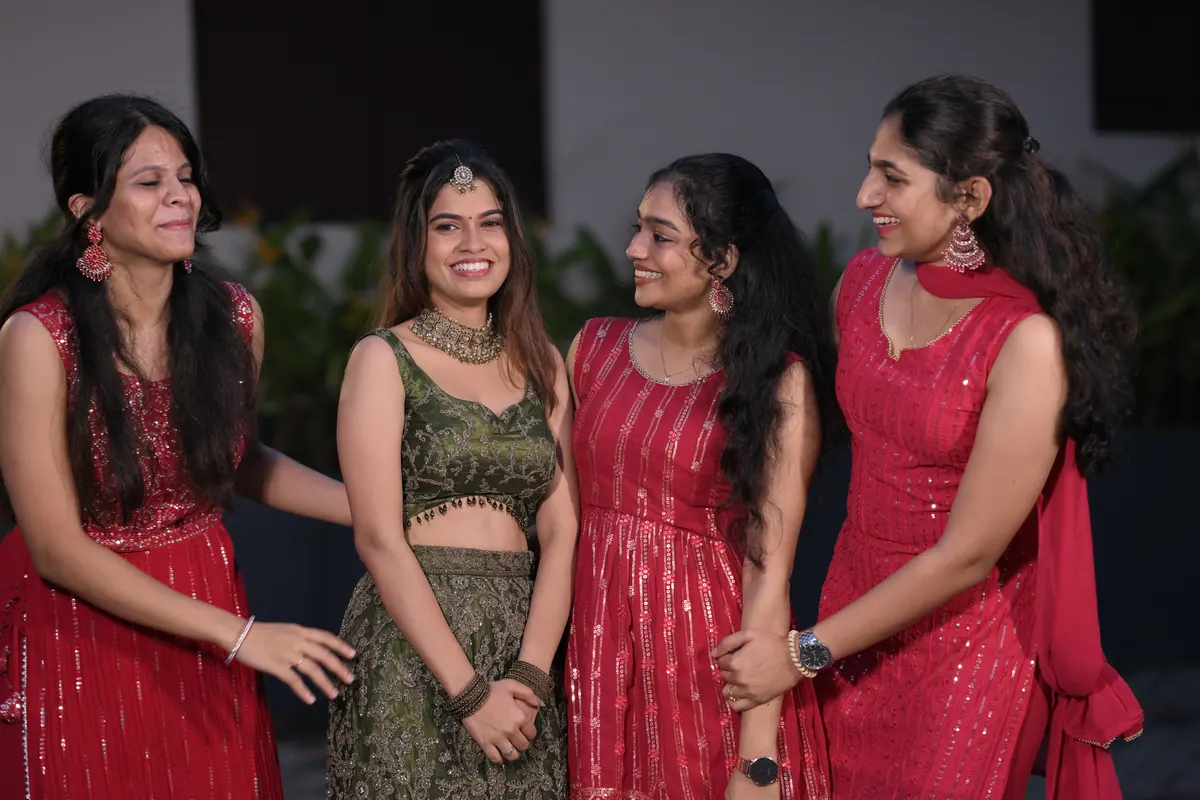
For the full wedding, our guide to the Kerala Muslim wedding walks through the mylanchi and every ritual after it, and our Muslim wedding photography page covers how we work on the day.
Photographing the mehendi evening
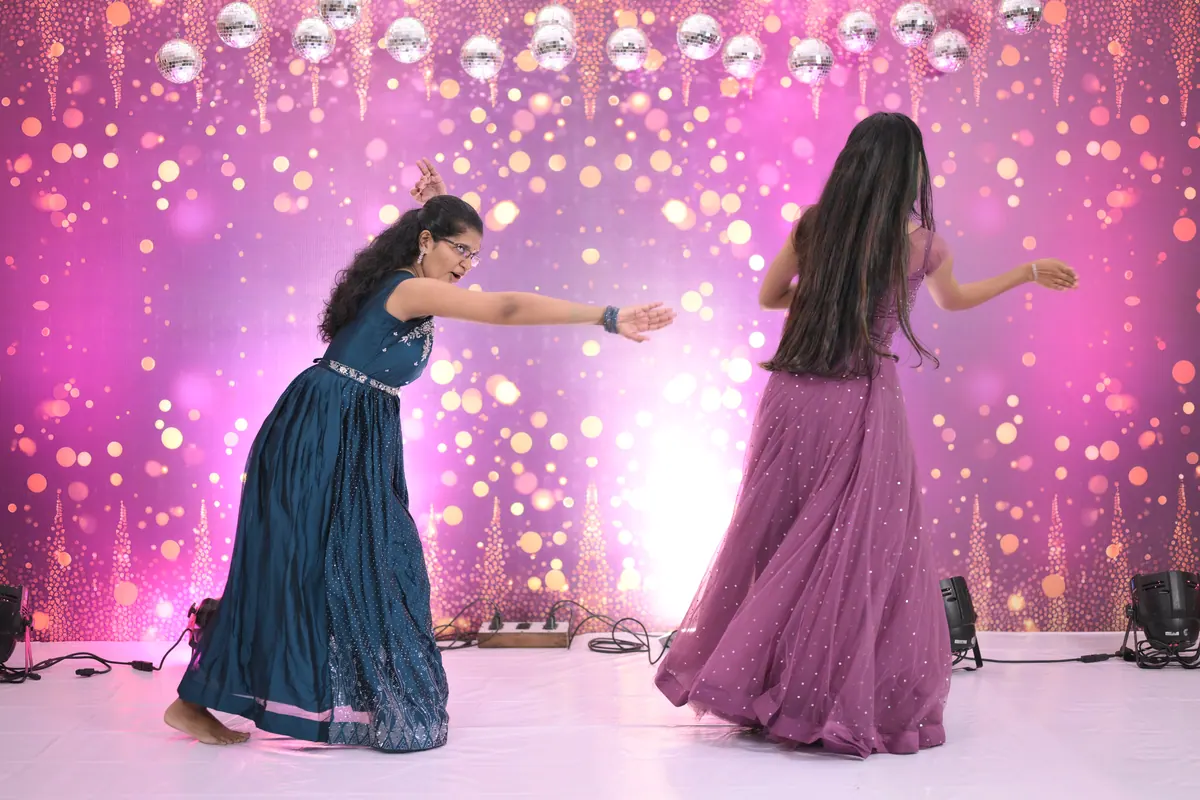
After dark, the design gives way to the party, and the party gives way to the cousins’ dance that nobody rehearsed enough. For low light, photographers use “an ISO of 800-6400 depending on the amount of available light” (SLR Lounge), and for dancing, “a faster shutter speed of 1/100th-1/250th or more” with flash to freeze the motion (Adorama).
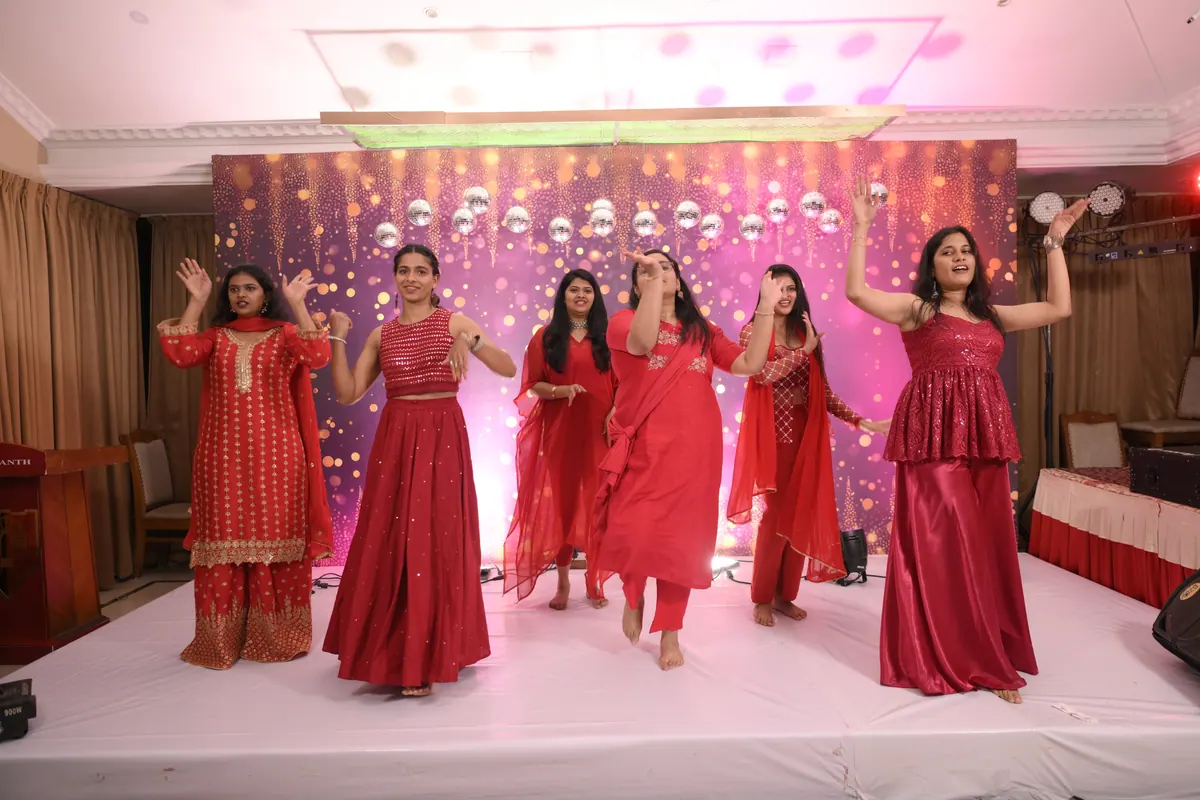
Watch the stage lights. Pink and purple uplighting looks lovely on the backdrop and less lovely on skin and henna, and under “colored lights instead, like magenta or blue”, Pye Jirsa’s advice is to “leave your light ungelled” (Fstoppers). Photograph the hands somewhere plainer, and let the dance floor be as pink as it likes.
Before the mehendi: black henna and colour
Black looks dramatic in photos. Don’t. The paste used for black henna tattoos contains “high levels of PPD”, a chemical hair dye (NHS), and on skin it “can cause blistering, painful skin burns and may even lead to scarring” (British Skin Foundation). “Real henna is orange/brown in colour”, which also happens to photograph beautifully.
- Ask what’s in the paste. A real henna artist will tell you happily. A vague answer is an answer.
- Mind the bulbs. Under a tungsten lamp, “the image becomes reddish” (Canon), so a design shot under warm bulbs will look more orange than it is.
- Try black and white. “The Mehndi looks very clear and intricate in a black-and-white photograph” (WeddingWire India), and it ends every argument about the colour.
What we’ve learned photographing mehendi
Most of our favourite mehendi photos weren’t taken at the mehendi at all. They were taken later, at the haldi, the wedding eve or the wedding morning, when the stain had darkened and the hands were busy with earrings, betel leaves and bangles, instead of being held up for inspection like an exam paper.
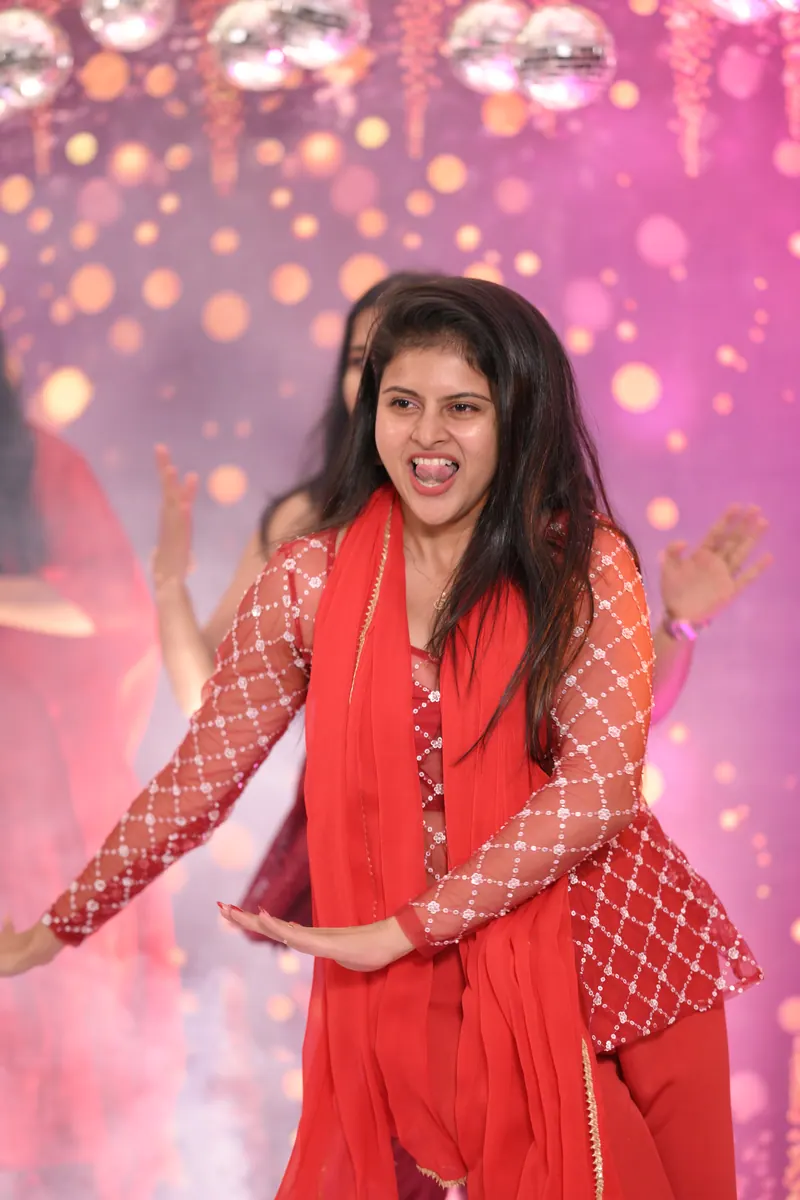
I’ve photographed more than 1,000 weddings, and the mehendi photo brides come back for is never the flat palm held up to the lens. It’s their hands doing something: fixing an earring, holding a betel leaf, covering a laugh.
Questions couples ask
What is mehendi photography?
Mehendi photography covers the mehendi function: the henna design on the bride's hands and feet, the artist applying it, the bride and her family, and the songs, dances and details of the evening.
When is the best time to photograph mehendi?
Twice. Photograph the application and the fresh paste on the night, then the stain again a day or two later, because henna starts orange and darkens over 24 to 48 hours. If it was applied a day or two before, the design is at its best on the wedding morning.
What light is best for mehendi photos?
Soft daylight from a window or open shade, coming from the side so the texture of the design shows. Warm bulbs turn the stain more orange, and coloured stage lights tint the hands, so photograph details away from them.
Does the photographer need to stay for the whole application?
No. A full bridal design can take 3 to 6 hours. The photographer is most useful near the end, when the design is nearly finished and the family and friends have arrived.
What is mylanchi?
Mylanchi, or mailanchi, is the Malayalam word for henna. At Malabar Muslim weddings, the mylanchi night is the wedding eve, when henna is applied to the bride's hands and feet, often with oppana songs and dancing.
Is black henna safe for the wedding?
No. Real henna stains orange to brown. Black henna often contains PPD, a hair dye chemical that can cause blistering, burns and scarring. Ask your artist what is in the paste.
Planning your mehendi?
Tell us your dates, from the mehendi to the wedding, and we’ll plan when to photograph the design and when to photograph the stain. See how we cover mehendi, haldi and other pre-wedding events. Planning the haldi too? Our haldi poses guide is the best next read.
Co-founder and lead photographer at Hallowed Photography, Kochi. He started Hallowed in 2017, has photographed more than 1,000 weddings, and holds two international Fearless Photographers awards.